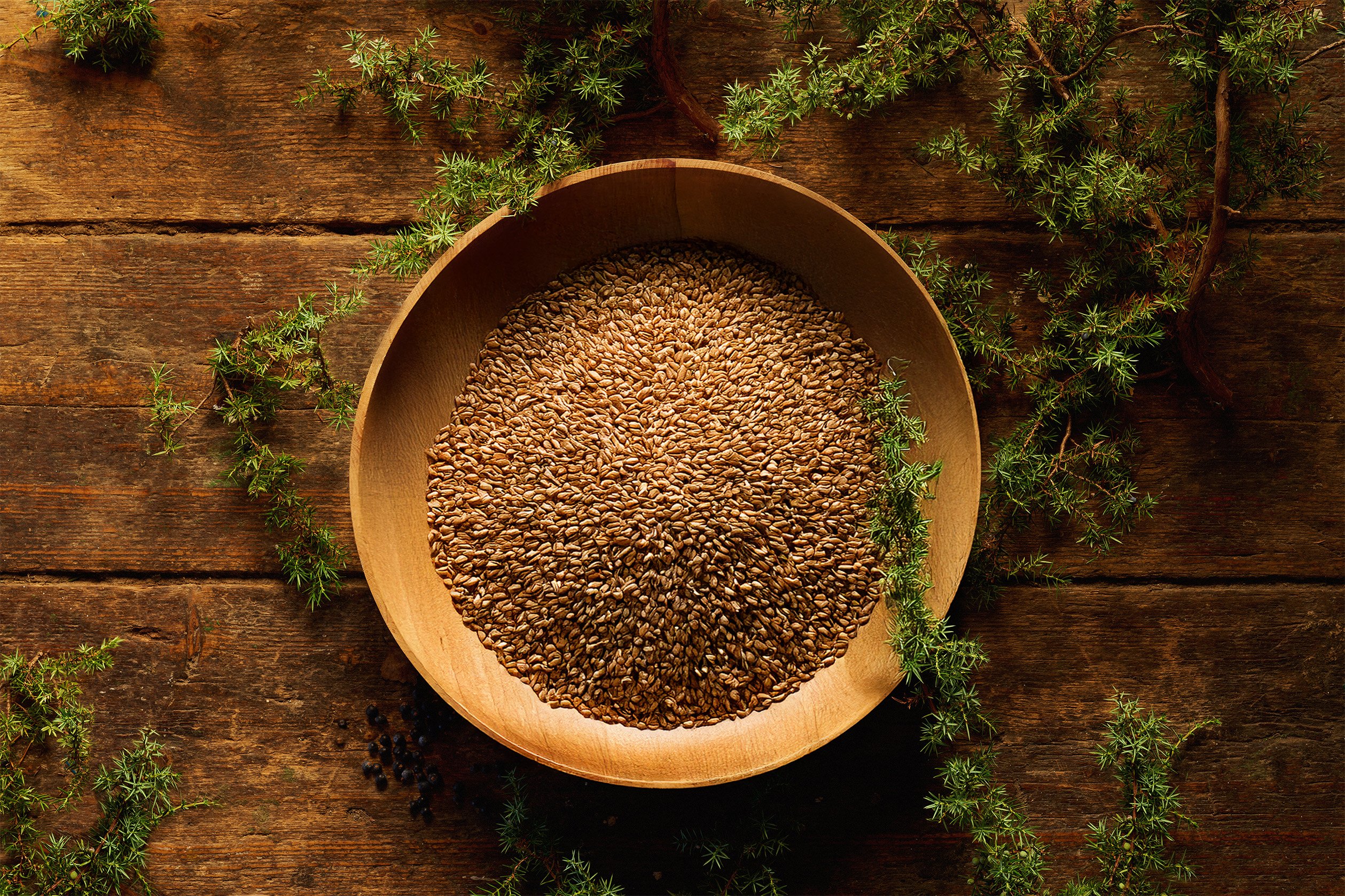
Wheat : Heritage wheat, grown the way it used to be
By definition, a gin is “a spirit drink flavoured predominantly with juniper”. But the largest ingredient is always the carbohydrates that, through mashing, fermentation and distillation, become the base spirit that is then flavoured. That is why we have chosen to work directly with the farmer. We cut out middlemen and transport, and instead make use of the knowledge of craft, working conditions and origin that we believe is otherwise so often lost in the large-scale industrial production that normally makes the spirit for gin.
Production
Origin
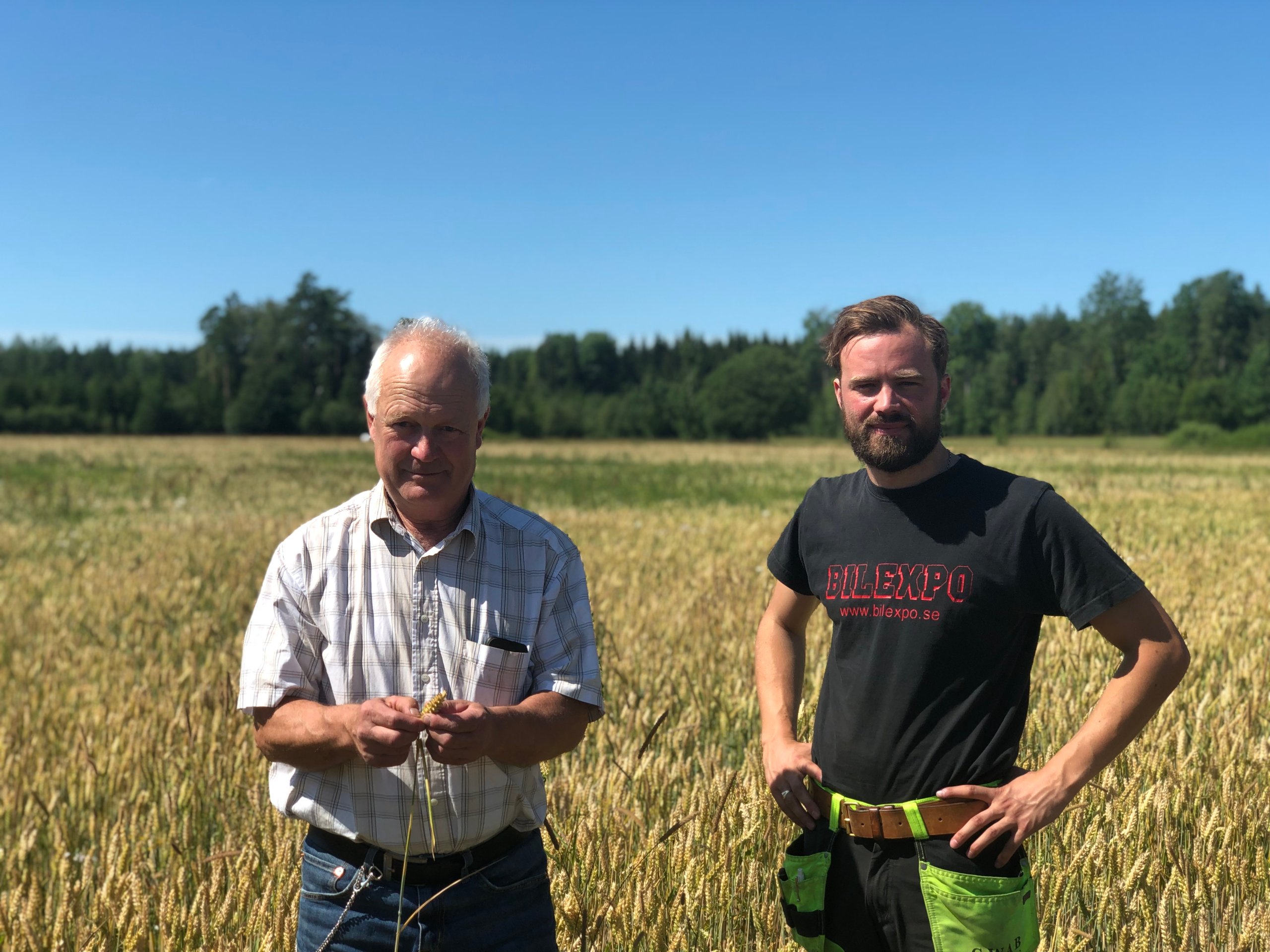
Wheat from Sörmland – with heart and soul
The world’s most widely grown crop – wheat – is considered a staple food for a third of the world’s population. It is a climate-smart crop that is efficient to grow and needs little land. Sweden has a long tradition of growing wheat, and most of the wheat grown in Sweden is winter wheat. Although the share is growing, only 3% of Swedish wheat is grown organically today – that is, without chemical pesticides or artificial fertiliser, which can lead to over-fertilisation of the soil and nearby waterways.
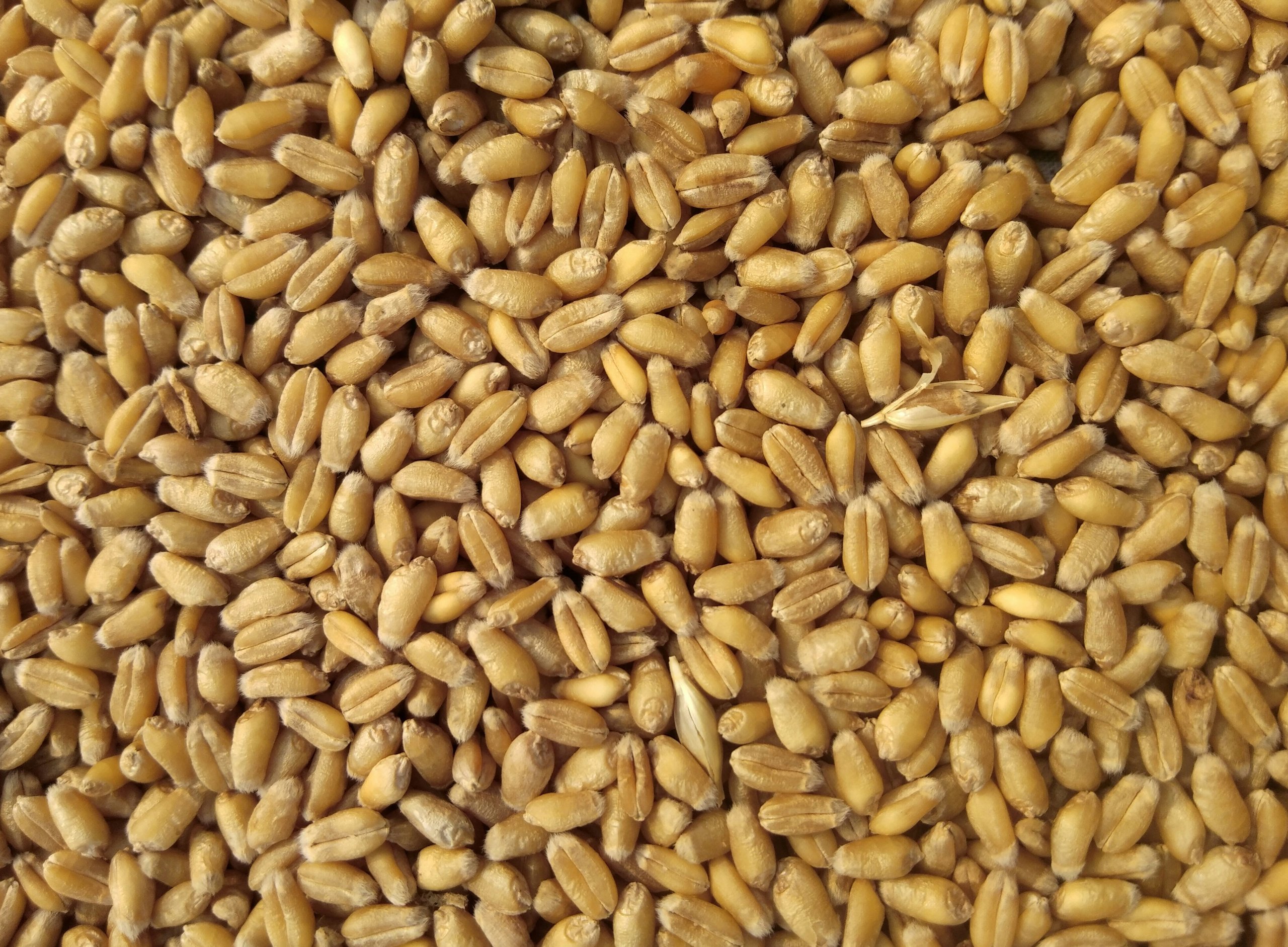
Winter wheat is preferably sown straight after summer so that it can take root before winter, and then gets a very early start when spring arrives. It can therefore often outcompete the weeds on its own, using the nutrients in the soil and growing up to take the sun first, which is why it is generally considered to give good yields and a safer harvest. In batch 1 we used organic winter wheat, and it gave a very smooth spirit with notes of citrus.
But the more traditional way of growing wheat in Sweden is spring wheat, which today makes up only 5–10% of the wheat grown in Sweden. Spring wheat is sown as soon as the ground will bear after winter, usually in April. Spring wheat varieties are often sturdier and grow taller, but weeds compete more easily since it is sown later; it cannot make use of the winter moisture in the same way and is somewhat more sensitive to drought during the season. Taller stalks are also more likely to be flattened by heavy rain, so it demands more of the farmer.
Flavour profile
From citrus to butterscotch and toffee
But the benefits are well known to chefs and bakers: above all, spring wheat has a higher protein content, but also more minerals, which makes for both healthier and tastier bread and food. One can also say that the deeper roots, with some weeds in between, give a more living topsoil without depleting the soil the way winter wheat does.
Batches 2–5 are made with organically grown spring wheat, and our base spirit then revealed notes of butterscotch or toffee and an even softer, smoother character that marries very well with our gin botanicals. Something to think about if you thought wheat was just wheat.
More ingredients
-

Juniper
The juniper berries have been picked by hand in the cultural landscapes around Bråhovda, over an ever wider area.
-

Coriander
Swedish-grown coriander seed is an important contributor to the classic gin character.
-

Rhubarb
The rhubarb has been grown and harvested on our own farm in Bråhovda – without pesticides or artificial fertiliser, of course.
-

Mint
The mint is harvested and used fresh when we flavour our gin. It is an important part of the freshness in a Nordic gin produced entirely without citrus.
-

Lingonberry
Lingonberries from the forests of Sörmland add a tart yet rounded note that strengthens the gin and brings Nordic nature to mind.
-

Yarrow
Yarrow grows wild in Sörmland. It is dried gently and gives a subtle herbal note with hints of summer flowers.